Beyond “Sleep Training”: A New, Compassionate Framework for Supporting Healthy Sleep
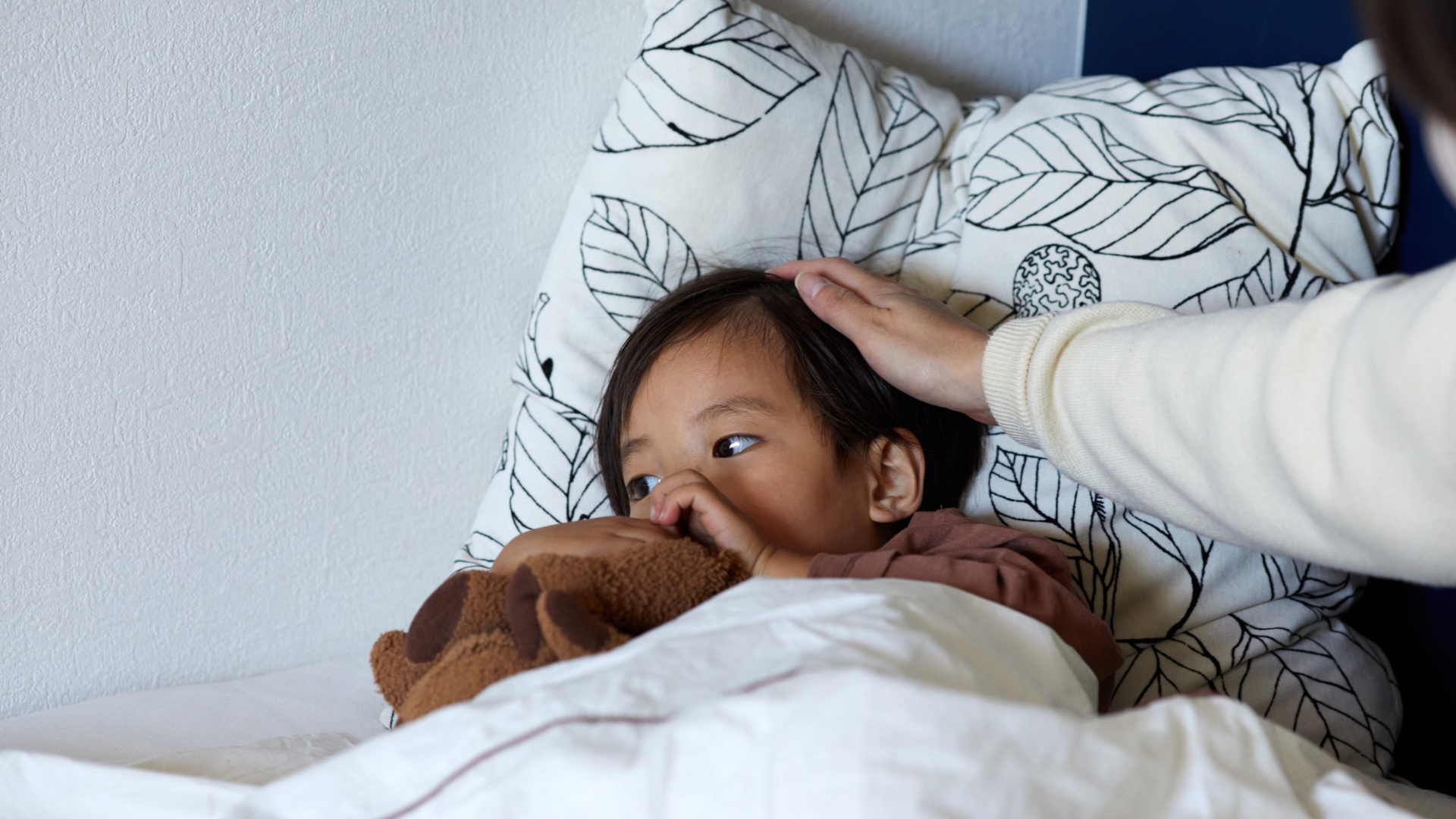
For many families, the words sleep training evoke an immediate, visceral reaction. They picture long nights of crying, rigid rules, ignoring needs, and behavior escalations that feel impossible to navigate. The term is so loaded that some families shy away from any sleep support at all, assuming the only path to better rest is something they don’t feel comfortable with.
And honestly? They’re not wrong to hesitate.
The sleep world has been dominated for decades by models rooted in extinction, all-or-nothing independence, and “just stick it out” mentalities. But this approach is neither necessary nor appropriate for many of the families we support, especially families of autistic learners, neurodivergent children, and children with complex sleep challenges tied to regulation, sensory needs, and caregiver routines.
It’s time to rewrite the narrative.
Why “Sleep Training” Gets It Wrong
Sleep training, as traditionally defined, is based on one narrow assumption:
If a child cries and learns no one will intervene, they will eventually sleep.
This creates a false dichotomy:
Either use extinction,
Or accept that sleep won’t improve.
But the truth is: Sleep is not taught at bedtime. Sleep begins during the day.
Sleep readiness, biologically, behaviorally, and emotionally, is shaped long before the night routine. When we only focus on nighttime behavior, we’re treating the outcome, not the conditions that made sleep difficult in the first place.
Families sense this mismatch. BCBAs see it in the data. And learners feel the effects.
Better Sleep Starts During the Day
Before a child ever climbs into bed, several variables influence their ability to fall asleep and stay asleep, including predictability of daytime routines, access to calming sensory opportunities throughout the day, screen timing and stimulation, consistent wake times, appropriately timed meals and movement, transitions that aren’t rushed or overwhelming, and rehearsal of wind-down skills during the day.
A bedtime routine can only do so much if the rest of the day is working against it. This is the heart of compassionate sleep support: We don’t “train” a child to sleep. We help prepare their brain and body for sleep.
We Can Improve Sleep Without “Sleep Training”
Most sleep challenges respond beautifully to behavioral shaping, environmental adjustments, and caregiver collaboration, none of which involve extinction.
Examples include:
gradually shifting bedtime to align with biological readiness
dimming lights to support melatonin production
offering calming sensory choices earlier in the evening
front-loading requests to reduce bedtime delays
fading sleep dependencies slowly and gently
shaping independent resettling with supported presence
using consistent cues that signal sleep is coming
adjusting routines to protect the final 30–45 minutes of the day
Often, families are shocked at how many improvements appear with small, strategic changes that have nothing to do with ignoring crying or forcing independence.
A More Accurate Framework: Enhancing the Reinforcing Value of Sleep
Instead of focusing on “training,” we shift to something far more effective and far more humane:
Enhancing the reinforcing value of sleep.
When we do this well, the body is ready for sleep, the environment supports sleep, the routine cues sleep, the caregiver presence maintains safety, the learner experiences quick success, and bedtime resistance naturally decreases.
Sleep becomes easier because it feels good, not because the child is forced into it. This approach respects the learner, empowers caregivers, and aligns deeply with the ethical core of ABA.
When Sleep Training Is Needed… It Should Be Extinction-Free
In cases where a behavioral sleep plan requires an element of “training,” it should never default to full extinction. Extinction is emotionally taxing, difficult for caregivers to sustain, and often counterproductive for neurodivergent learners.
Compassionate sleep training looks like:
shaping rather than withholding
supporting rather than ignoring
reducing demands rather than escalating distress
fading presence gradually
celebrating small approximations
It’s not “leave them to cry.” It’s “help them succeed with less help over time.”
The Takeaway
Families don’t need sleep training. They need sleep support.
BCBAs don’t need to follow outdated methods. Instead, they need a framework that honors the learner and aligns with behavioral science.
Better sleep comes from understanding it, supporting it, and preparing the body and environment so sleep becomes the most reinforcing choice available.
When we shift from “training” to “enhancing the reinforcing value of sleep,” everything can change: The stress decreases. The confidence increases. And the best bonus of all? The whole household begins to rest easier.
Want to learn how to support sleep ethically, effectively, and without extinction-based methods?
The Sleep Collective is the only fully accredited certification for BCBAs focused on non-medical sleep challenges… and it teaches this exact approach.
The Research Edition, launching January 2026, is almost full and includes 50% off enrollment in exchange for participating in a 5-week sleep assessment study. Caregiver consent and participation is required for this unique opportunity.
Schedule a discovery call to learn more or learn more about this special edition of The Sleep Collective.