Blue Light Isn’t the Whole Story: What BCBAs Should Really Be Assessing About Screens and Sleep
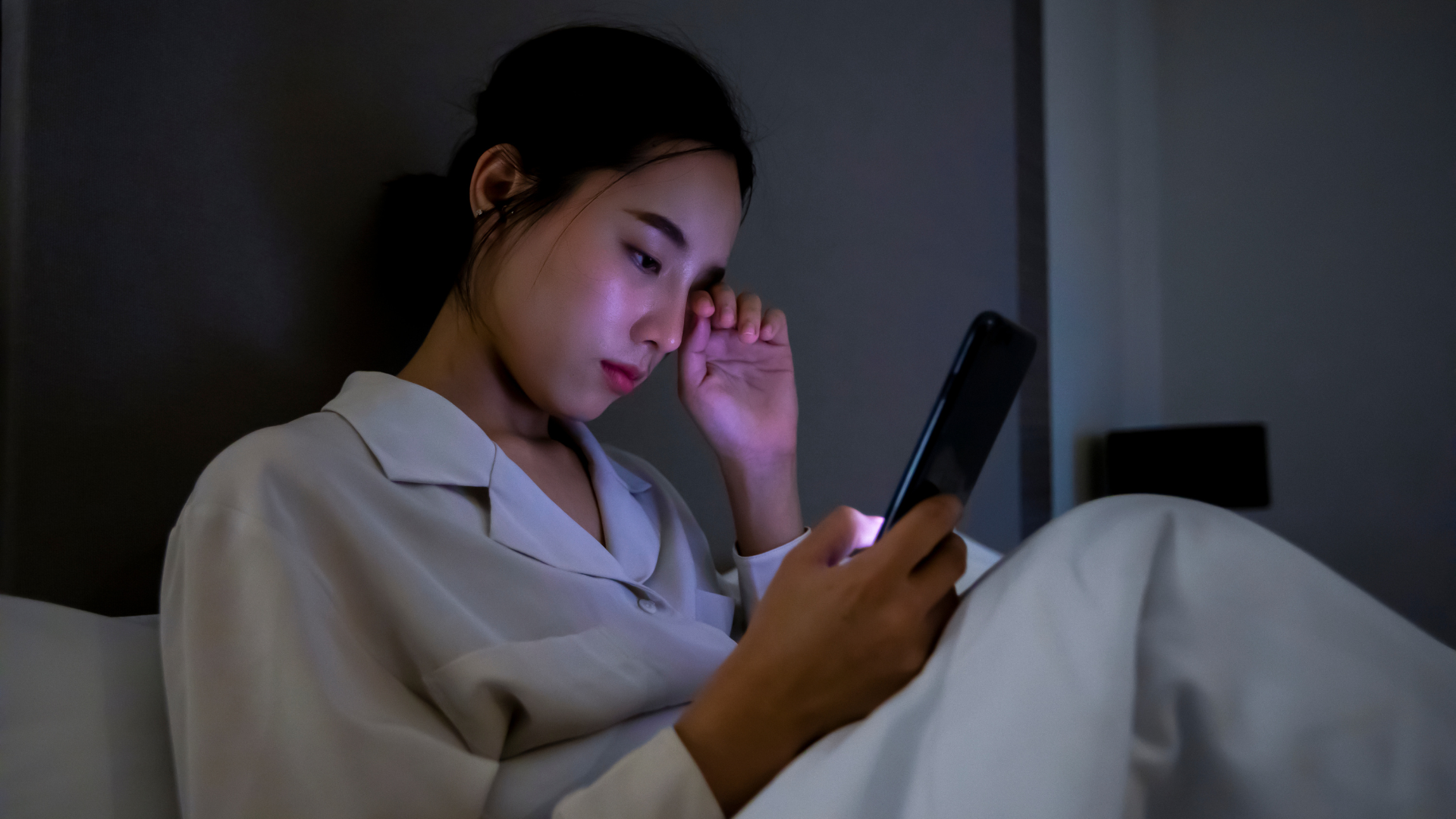
If you work with families, you’ve likely heard it: “We know screens are bad before bed… but it’s the only thing that works.”
The conversation around blue light and sleep has become almost oversimplified. Screens get blamed. Melatonin gets mentioned. Families are told to “turn everything off an hour before bed.” And while there is real science behind light exposure and circadian rhythms, the solution is rarely that simple.
Yes, of course, blue light matters… but not in isolation. And if we reduce sleep disruption to “too much screen time,” we miss the larger behavioral picture.
Let’s look at what’s actually happening.
What Blue Light Does (and What It Doesn’t Do)
Blue light is part of the visible light spectrum and is heavily emitted by LED screens and modern lighting. During the day, blue-enriched light is helpful. It supports alertness and helps anchor our circadian rhythm to daytime hours.
The issue emerges at night.
Evening exposure to blue-rich light can delay melatonin release, which shifts the body’s internal clock later. For some learners, that means it takes longer to fall asleep. For others, it means sleep becomes lighter or more fragmented. The effect is particularly noticeable when screens are held close to the face in a dark room.
But here’s where nuance matters: blue light does not “cause” sleep problems in most cases. It modulates timing. The impact depends on dose, duration, timing, proximity, and the learner’s existing sleep regulation.
This is why simply removing screens doesn’t automatically solve bedtime struggles.
Why Screens Are So Powerful Before Bed
When we assess screen use before bed, we have to look beyond light exposure.
Screens are reinforcing.
They provide rapid, predictable stimulation. They often reduce conflict. They can function as a transition buffer between high-demand days and bedtime expectations. For some families, screens are not just entertainment, they are regulation tools.
When a tablet is removed without a replacement strategy, bedtime resistance often increases. Not because the child is “addicted,” but because a high-reinforcement activity was abruptly withdrawn without teaching an alternative pathway to wind down.
If we focus only on blue light, we miss the reinforcement history driving the behavior.
Unique Considerations for Autistic Learners
Many autistic learners experience differences in sleep timing, arousal regulation, and sensory processing. Research suggests higher rates of delayed sleep onset and circadian rhythm shifts compared to neurotypical peers. In this context, evening light exposure can have a more noticeable impact, but so can inconsistent routines, irregular wake times, and stimulating activities close to bedtime.
Additionally, screens often serve as predictable, structured activities in a world that may otherwise feel overwhelming. That predictability can make them especially reinforcing.
So the goal is not to shame families for screen use.
The goal is to assess how, when, and why screens are being used, and whether the timing is interfering with sleep readiness.
Practical, Realistic Strategies for BCBAs to Share
Instead of recommending a blanket “no screens” rule, consider guiding families toward strategic adjustments:
Shift timing rather than eliminate entirely.
Moving screen time earlier in the evening often produces better results than abrupt removal.Change proximity and brightness.
Screens held farther away, in well-lit rooms, with brightness reduced can lower the intensity of light exposure.Protect the last 30–60 minutes.
This window is the most biologically sensitive for melatonin release. Prioritizing lower-light, lower-stimulation activities here matters most.Introduce a predictable wind-down routine.
The function of the screen often needs to be replaced. Quiet play, audio stories, simple puzzles, or calm sensory input can gradually take over the role screens were serving.Keep morning light consistent.
Strong morning light exposure helps anchor circadian rhythms and can offset minor evening delays.
When we frame changes around what works for the family, rather than rigid rules, follow-through improves.
Blue Light Is One Variable. Don’t Let It Distract You From the Others.
It’s easy for families to latch onto a single cause for sleep disruption. Blue light is a convenient explanation because it feels concrete and controllable.
But sleep is a system.
Light exposure, sleep pressure, timing consistency, reinforcement history, and caregiver responses all interact. When we assess the whole system instead of isolating one factor, interventions become more effective and sustainable.
And that’s what families actually need.
Want to Go Deeper?
If you’d like a caregiver-friendly resource explaining the impact of blue light and practical ways to reduce evening exposure, you can download my free handout and start sharing it with families right away.
And if you’re ready to build real confidence assessing sleep challenges beyond surface-level advice, The Sleep Collective is now enrolling for the May cohort.
This certification program is designed exclusively for BCBAs who want structured, ethical training in non-medical sleep support, grounded in both sleep science and applied behavior analysis.
Spots are limited, and the May cohort will sell out.
If you’re ready to elevate your practice and support families in a way that truly changes nights (and days) I’d love to connect.