No One Sleeps Through the Night: What BCBAs Should Know About Disruptive Awakenings
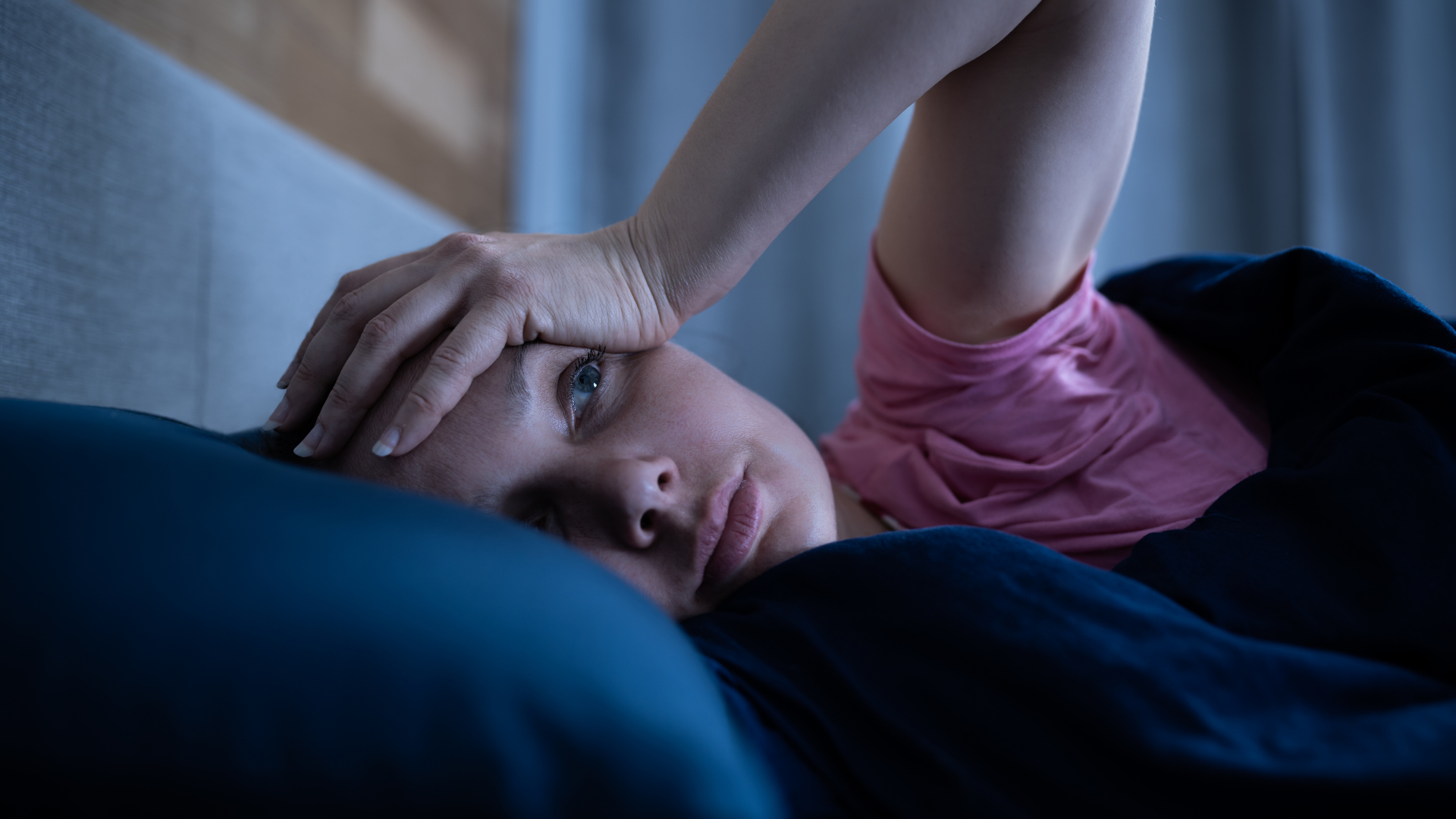
One of the most common sleep concerns we hear from families might sound something like this: “They fall asleep fine. They just don’t stay asleep.”
A learner may go to bed without much difficulty, sleep for a few hours, and then begin waking repeatedly. They leave their room looking for a parent, climb into someone else’s bed, ask for a tablet, or need the same support that helped them fall asleep earlier in the evening.
By morning, everyone is exhausted, and the family understandably describes the problem as a child who does not “sleep through the night.”
But, guess what, no one actually sleeps through the night.
Healthy sleep includes repeated cycles through deeper and lighter stages, with brief arousals occurring throughout the night. We may roll over, adjust a blanket, mumble, briefly open our eyes, or change positions before drifting right back to sleep.
So when one child appears to sleep peacefully until morning while another gets out of bed four or five times, both may actually be experiencing several awakenings.
The meaningful difference is what happens next.
One learner experiences a brief awakening and easily returns to sleep. The other experiences a disruptive awakening that requires something outside of themselves before sleep can resume.
Waking Is Normal. Disruptive Waking Is the Clinical Concern.
It can be tempting to make the waking itself the treatment target.
If a learner leaves their bedroom at 1:00 a.m., our behavior-analytic instincts may immediately turn toward teaching them to remain in bed. If they seek a caregiver, we may consider attention. If they walk toward the kitchen or tablet, access to tangibles may enter the conversation.
Those observations can describe what happens after the learner wakes, but they do not necessarily explain why a normal awakening became disruptive.
Sleep architecture naturally brings us closer to wakefulness multiple times each night. Healthy sleepers usually move through these brief arousals without needing significant help.
Think of the Night as Bedtime on Repeat
One of the simplest ways to understand this is to think of sleeping through the night as bedtime on repeat.
The conditions present when a learner initially falls asleep become part of the environment associated with sleep. When they naturally surface between sleep cycles later in the night, their brain expects those familiar conditions to still be available.
When the environment remains relatively stable, the awakening may be so brief that nobody notices. When something important has changed, that brief awakening has a greater chance of becoming disruptive.
Imagine falling asleep in your own bed and waking several hours later on the living room floor. You would probably become much more alert. You would assess your surroundings, wonder how you got there, and likely need to do something before falling asleep again.
For learners, the change may be far less dramatic.
A caregiver may lie next to the child until they fall asleep and then leave the room. Music may play during sleep onset and shut off later. A lamp may be on when the learner falls asleep and turned off afterward. A child may fall asleep in the car, on the sofa, or in a caregiver’s bed and then be transferred to another location. A tablet may be used until sleep occurs and removed afterward.
Each of these creates a difference between the conditions present at sleep onset and the conditions present during a normal overnight arousal.
In sleep work, we often refer to these conditions as sleep dependencies.
Some dependencies work perfectly well because they remain available throughout the night. White noise that stays on, a favorite blanket, or a nightlight that remains illuminated may support sleep without creating a problem.
Others become more relevant when they disappear after sleep onset.
The Learner May Be Trying to Get Back to Sleep
This is one of the most helpful reframes for families and BCBAs.
A learner who wakes and seeks a caregiver may not be waking because they want attention instead of sleep. A child looking for a tablet may not have awakened specifically because they want screen time. A learner climbing into a caregiver’s bed may not simply be refusing their own.
Often, they are trying to recreate the conditions associated with falling asleep.
The child who fell asleep beside Mom goes looking for Mom. The learner who fell asleep with a tablet may seek the tablet again. The child who fell asleep in one location may attempt to return to it after waking elsewhere.
From the learner’s perspective, this can be very logical.
They are awake. Sleep is still valuable. The familiar condition historically associated with accessing sleep is missing. That gives us a much more useful place to begin than assuming the learner simply needs to “learn to stay in bed.”
The Best Time to Address Night Wakings Is Usually Before Night
The good news is that we generally do not want to teach brand-new sleep skills at 2:00 a.m.
That is a terrible learning environment for everyone involved. The learner is only partially awake, the caregiver is exhausted, and nobody has much capacity for implementing a complicated new procedure.
The work usually begins at bedtime and, when appropriate, during daytime ABA sessions.
A behavior analyst can assess what initial sleep onset actually looks like. Who is present? Where does the learner fall asleep? Which sensory conditions are present? Is a particular item, activity, person, or medication doing much of the work? Which of those conditions remain available throughout the night?
Once we understand that system, we can determine whether any sleep dependencies need to be shaped or faded gradually.
That might involve helping a learner tolerate a caregiver sitting farther away during bedtime, changing how music or screens are used, helping the learner fall asleep in the same space where they will remain overnight, or practicing prerequisite skills during daytime sessions before expecting greater independence at bedtime.
This is where familiar behavior-analytic tools become incredibly useful. Shaping, fading, reinforcement, priming, rehearsal, and thoughtful environmental arrangement can all support more sustainable sleep.
The important part is that we are working proactively rather than asking exhausted caregivers to solve the problem in the middle of the night.
Consistency Does Not Mean Every Sleep Environment Should Look the Same
There is no universal picture of the “right” way to sleep.
Some learners sleep with white noise. Others prefer a nightlight. Some sleep with a favorite stuffed animal, blanket, or sensory support. Families may choose shared bedrooms, co-sleeping, or other arrangements that fit their culture and household.
The question is whether the current conditions are effective and sustainable for that learner and family.
A caregiver lying beside a child at bedtime may be completely workable if everyone is sleeping well. The same arrangement may become worth reassessing if that caregiver is being summoned back to the bedroom five times every night.
Our role is not to judge the family’s sleep arrangement or impose a particular definition of independence. It is to help families identify which variables may be contributing to the sleep problem they want to change.
Medication also requires appropriate boundaries. If caregivers report that disruptive awakenings appear as a prescribed medication wears off, a behavior analyst can document the pattern and help the family bring useful information back to the prescribing physician. Medication changes remain medical decisions.
Ask a Better Question
When a caregiver says, “They fall asleep fine, but they wake all night,” resist the urge to begin with what should happen at 2:00 a.m.
Start with bedtime.
Ask what falling asleep looks like.
Then ask what is different several hours later.
Those questions may reveal far more than a middle-of-the-night behavior plan ever will.
Because the goal is not to create a learner who never wakes. That is not how human sleep works.
The goal is to create a sleep environment that remains stable enough for normal awakenings to stay brief, uneventful, and wonderfully forgettable.
That is the real illusion of sleeping through the night.
Ready to Build More Confidence Supporting Sleep?
If you want to deepen your ability to assess disruptive night awakenings, identify sleep dependencies, and build ethical, individualized sleep systems families can realistically maintain, The Sleep Collective is now enrolling for the January cohort.
Designed specifically for BCBAs, The Sleep Collective brings sleep science and behavior analysis together so you can support non-medical sleep challenges with greater confidence, clarity, and competence.